Dominican Republic Consular Processing · Updated May 2026
Getting Married in the Dominican Republic and the Green Card Path That Follows
The paperwork to marry in the DR runs in the opposite direction from the rest of your case. Get that right and the path forward is clear.
Summary
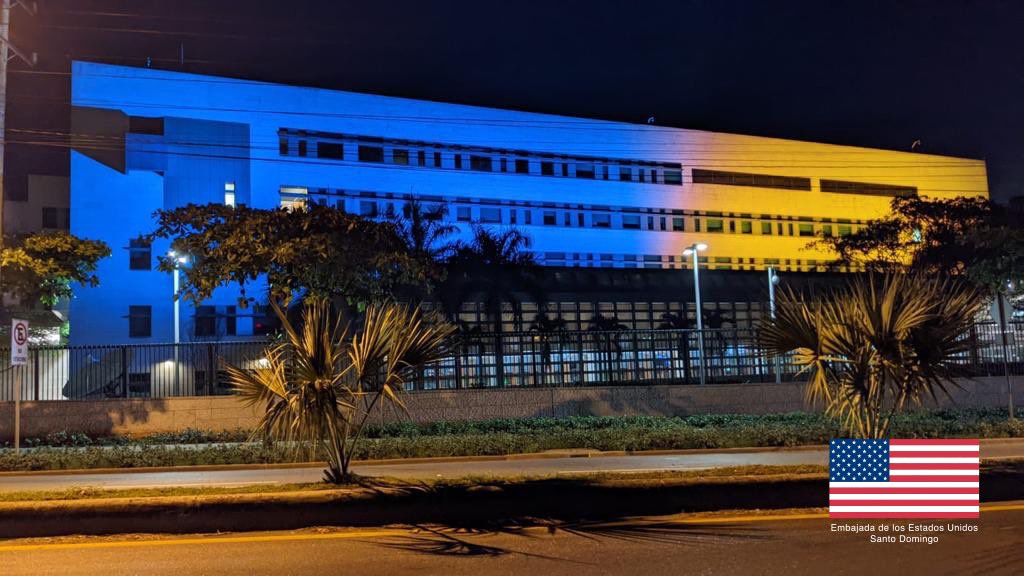
A U.S. citizen can marry in the Dominican Republic with a civil marriage at the Civil Registry. The catch is the reversed apostille direction: your U.S. documents (birth certificate, Affidavit of Single Status) need a U.S. apostille and a Spanish translation to be used in the DR. Marrying there produces a Dominican Acta de Matrimonio and puts you on the CR-1/IR-1 path, with the immigrant visa interview at the U.S. Embassy in Santo Domingo.
At a glance
| Topic | Details |
|---|---|
| Where it leads | Marrying in the DR gives you a Dominican Acta de Matrimonio and puts you on the CR-1/IR-1 (marry-first) path, with the immigrant visa interview at the U.S. Embassy in Santo Domingo. |
| Marriage types | Civil marriage (registered with the government, officiated by a notary) or canonical (Catholic Church, then registered). Civil is the usual route for an immigration case. |
| What the U.S. partner brings | Passport, an Affidavit of Single Status, and a birth certificate, all apostilled in the U.S. and translated into Spanish for the Dominican Civil Registry (this is to marry there, not for the U.S. visa), plus prior divorce or death documents if applicable. |
| Apostille direction | Reversed: your U.S. documents need a U.S. apostille to be used in the DR. That is the opposite of Dominican documents, which need no legalization for the U.S. visa. |
| Witnesses & timing | Two witnesses, 18+ and unrelated to the couple. Submit documents to the Civil Registry about a month before the wedding date. |
| Cost | Around RD$20,000 at the Civil Registry when both parties are non-resident foreigners. A U.S. citizen marrying a Dominican is a different fee tier; verify locally. |
Free tool
Marriage Green Card Cost Calculator
2026 · AOS · full packet
$3,005
See your exact 2026 USCIS filing fees for a marriage green card through Adjustment of Status, with a full line-item breakdown and the costs most guides leave out.
Free — enter your email and it opens right up. Unsubscribe anytime.
We post free tips on preparing your marriage green card. Follow along:
Marry in the DR, then immigrate: the full order of operations
Here is the whole journey, start to finish, in order. The sections below explain each part in detail, but if you read only one thing, read this.
- 1
Decide the path: marrying in the DR puts you on the CR-1/IR-1 (marry-first) route. If you would rather your partner come to the U.S. to marry, that is a K-1 fiancé visa instead. Choose before you spend on documents.
- 2
U.S. partner, get your Affidavit of Single Status at a Dominican consulate in the U.S. They notarize and apostille it in one visit.
- 3
U.S. partner, order your U.S. birth certificate from your state, then have your state's Secretary of State apostille it. Do the same for any divorce decree or death certificate from a prior marriage. Handle all U.S. apostilles before you fly.
- 4
Get a certified Spanish translation of every English document, because the Dominican Civil Registry works in Spanish.
- 5
Line up two witnesses (18+, not related to you) and submit the document package to the Civil Registry about a month before the wedding date.
- 6
Get married. You will receive a Dominican Acta de Matrimonio.
- 7
Order the long-form Acta Inextensa de Matrimonio from the JCE; that is the version U.S. immigration needs.
- 8
The U.S. citizen or LPR files Form I-130 for the spouse.
- 9
After I-130 approval, the case goes to the National Visa Center (NVC) for document review.
- 10
Your spouse does the medical exam, then interviews at the U.S. Embassy in Santo Domingo. On approval they receive a CR-1 or IR-1 immigrant visa and enter the U.S. as a permanent resident.
Civil or canonical marriage
The Dominican Republic recognizes two marriages. A civil marriage is registered with the government and officiated by a notary; it is the straightforward route for an immigration case. A canonical marriage is performed by a Roman Catholic priest and then registered with the government. Either way, what matters for your case is the registered Acta de Matrimonio it produces.
What the U.S. partner needs
The Dominican spouse provides their cédula and Dominican documents. The U.S. partner has the longer list, because foreign documents have to be made usable in the DR first.
- •Valid passport plus copies of the bio-data page.
- •Affidavit of Single Status (a sworn statement you are free to marry), notarized and then apostilled.
- •Your U.S. birth certificate, apostilled by the issuing state and translated into Spanish.
- •If previously married: the divorce decree or death certificate for each prior marriage, apostilled and translated.
- •A certified Spanish translation of every English document, since the Civil Registry works in Spanish.
Plan for two witnesses (18 or older, not related to the couple), and submit the document package to the Civil Registry roughly a month before the wedding date.
The apostille runs the other way
This trips couples up. For the rest of your immigration case, Dominican documents need no legalization for the U.S. visa. But to marry in the DR, your U.S. documents must be apostilled by the U.S. state that issued them and then translated into Spanish for the Civil Registry. Handle those U.S. apostilles before you travel; arranging them after you arrive is slow.
After the wedding: the CR-1 path
Marrying in the DR means you are on the marry-first path. The alternative is a K-1 fiancé visa, where your partner comes to the U.S. to marry. Once you are married, the steps are:
Step 1: Get the Acta Inextensa de Matrimonio
After the wedding, order the long-form Dominican marriage certificate from the JCE. This is the document your I-130 petition and NVC need to prove the marriage.
Step 2: File the I-130 and go through NVC
The U.S. citizen or LPR files Form I-130 for the spouse. Once approved, the case moves to the National Visa Center for document review, then to the U.S. Embassy in Santo Domingo.
Step 3: Interview at the U.S. Embassy in Santo Domingo
Your spouse attends the immigrant visa interview at Santo Domingo with the Dominican civil documents (no apostille needed for those). On approval they receive a CR-1 or IR-1 immigrant visa and enter the U.S. as a permanent resident.
The document you will need first is the Acta Inextensa de Matrimonio.
What couples report
Aggregated from U.S. Embassy Santo Domingo marriage guidance, the Dominican consular instructions, and pathway-comparison resources. Practical context, not legal advice; verify specifics with the Civil Registry office you use.
Tips from the community
Apostille your U.S. documents before you fly down
The single most common surprise is the reversed direction: the Civil Registry wants your U.S. birth certificate and single-status affidavit apostilled by the U.S. and translated into Spanish. Handle the apostilles in the U.S. first, because doing it after you arrive is slow.
U.S. Embassy Santo Domingo marriage guidance; domrep.org
The single-status affidavit usually comes from the Dominican consulate
Many couples get the Affidavit of Single Status through a Dominican consulate in the U.S., where it is notarized and apostilled in one stop. Confirm the exact wording the Civil Registry expects before you sign.
Dominican consular guidance; domrep.org
Decide marry-first (CR-1) vs fiancé visa (K-1) on purpose
Marrying in the DR commits you to the CR-1/IR-1 consular path through Santo Domingo. A K-1 fiancé visa instead brings your partner to the U.S. to marry there. They differ on cost, timeline, and work authorization, so choose deliberately rather than by default.
Pathway comparison; see the K-1 vs spousal-visa guide
Submit Civil Registry paperwork about a month ahead
Dominican Civil Registry offices expect the document package roughly a month before the wedding date. Build that lead time in, especially if apostilles and translations still have to travel between the U.S. and the DR.
Dominican Civil Registry requirements
Sources
- U.S. Embassy Santo Domingo: Marriage in the Dominican Republic (verified May 2026)
- Embassy of the Dominican Republic (U.S.): Documents for Marriage (verified May 2026)
- U.S. Department of State: Dominican Republic Reciprocity and Civil Documents (verified May 2026)
Frequently asked questions
If we marry in the Dominican Republic, which green card path are we on?
The CR-1/IR-1 path, also called marrying first. You get a Dominican Acta de Matrimonio, the U.S. spouse files Form I-130, the case goes through the National Visa Center, and your spouse interviews at the U.S. Embassy in Santo Domingo for an immigrant visa. The alternative is a K-1 fiancé visa, where your partner comes to the U.S. to marry; the two paths differ on cost, timing, and work authorization.
What does the U.S. partner need to marry in the DR?
A valid passport, an Affidavit of Single Status (notarized and apostilled), and a U.S. birth certificate apostilled and translated into Spanish, plus a divorce decree or death certificate for any prior marriage (also apostilled and translated). You also need two witnesses who are 18 or older and not related to the couple, and the document package is usually submitted about a month before the wedding.
Why do my U.S. documents need an apostille if Dominican documents don't?
The direction is reversed. To use a U.S. document inside the Dominican Republic (for the marriage), the U.S. apostilles it. Separately, to use a Dominican document for the U.S. visa, no legalization is required because the State Department does not ask for it. So your U.S. papers get a U.S. apostille going in, while the Dominican acta needs none coming back out.
Is a Dominican civil marriage valid for U.S. immigration?
Yes. A marriage that is legally valid where it was performed is generally recognized for U.S. immigration. A civil marriage registered with the Dominican government produces an Acta de Matrimonio, and the long-form Acta Inextensa is what your I-130 and the National Visa Center use to document the marriage.
How much does it cost to get married in the DR?
When both parties are non-resident foreigners, the Civil Registry fee is around RD$20,000. A U.S. citizen marrying a Dominican national is a different fee tier, since the Dominican spouse supplies local documents. Verify the current fee with the specific Civil Registry office, and budget separately for U.S. apostilles and Spanish translations.
Key takeaways
- ✓
Marrying in the DR produces a Dominican Acta de Matrimonio and puts you on the CR-1/IR-1 consular path through the U.S. Embassy in Santo Domingo.
- ✓
The apostille direction is reversed: your U.S. documents (birth certificate, single-status affidavit) need a U.S. apostille and a Spanish translation to be used in the DR.
- ✓
The U.S. partner needs a passport, an Affidavit of Single Status, a birth certificate, and prior divorce or death documents, with two unrelated witnesses 18 or older.
- ✓
Choose marry-first (CR-1) versus a K-1 fiancé visa deliberately; they differ on cost, timeline, and work authorization.
- ✓
After the wedding, order the Acta Inextensa de Matrimonio for the I-130 and NVC, and submit Civil Registry paperwork about a month before the date.
Married in the DR and starting the visa?
Green Card Genius guides you through the CR-1 consular path from I-130 to the Santo Domingo interview, including the civil documents NVC requires. See if it fits your situation.
See how it worksStay informed
Green card guides in your inbox
Practical, plain-English updates to help you navigate the process with confidence.
Unsubscribe anytime.
Be a Genius
Only pay when you file